
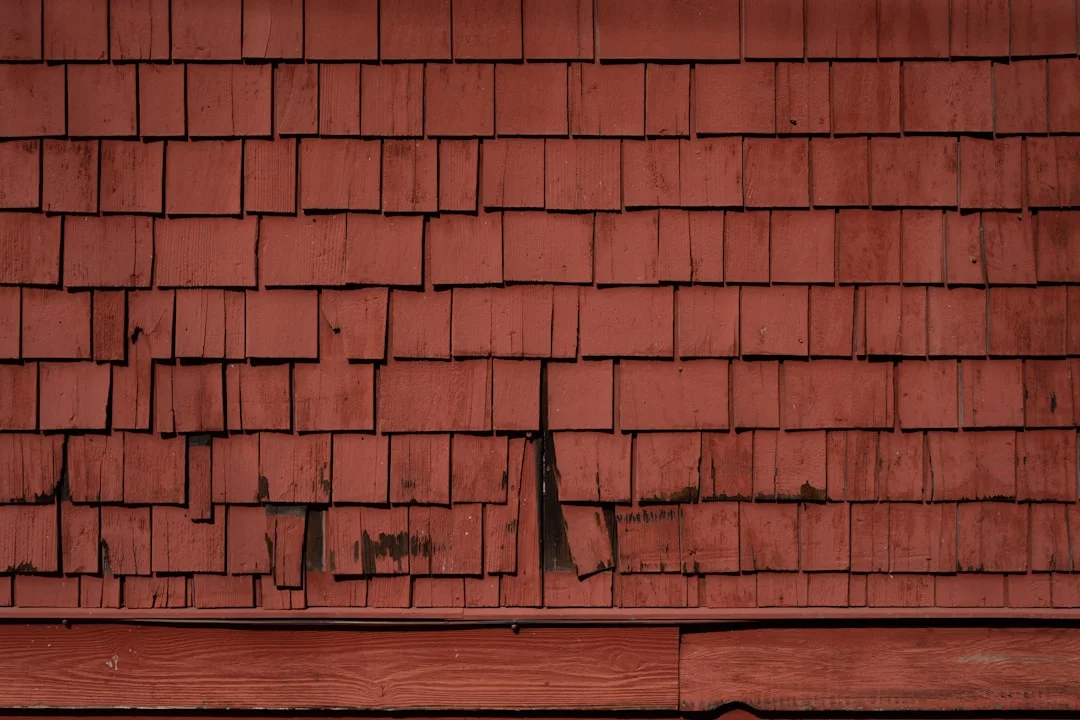
New Zealand homeowners are increasingly choosing eco-friendly materials for their renovation projects, driven by both environmental consciousness and long-term cost savings. With rising awareness of climate change and the desire to create healthier living spaces, sustainable building materials have moved from niche alternatives to mainstream options for home improvement projects.
The shift towards sustainable renovations reflects a broader understanding that our homes can significantly impact both personal wellbeing and environmental health. From reclaimed timber to recycled insulation, the range of eco-friendly materials available to Kiwi homeowners has expanded dramatically in recent years.
New Zealand’s abundant forests provide excellent opportunities for sustainable timber use in renovations. Native species like rimu and kauri, when sourced from certified sustainable forests or reclaimed from existing structures, offer both environmental benefits and stunning aesthetics that celebrate our natural heritage.
Bamboo flooring has gained popularity as a rapidly renewable alternative to traditional hardwood. Growing up to one metre per year, bamboo can be harvested without killing the plant, making it an excellent choice for flooring, cabinetry, and decorative elements. Its natural antibacterial properties and moisture resistance make it particularly suitable for New Zealand’s varied climate conditions.
Reclaimed timber from demolished buildings, old bridges, and industrial structures provides character and history to modern renovations. Companies across New Zealand now specialise in salvaging and preparing reclaimed wood, offering homeowners unique materials with proven durability and rich patina that new timber simply cannot replicate.
Insulation plays a crucial role in creating energy-efficient homes, and sustainable options are becoming increasingly available and affordable. Sheep’s wool insulation, made from New Zealand wool that doesn’t meet textile industry standards, provides excellent thermal and acoustic properties while being completely natural and biodegradable.
Recycled polyester insulation, manufactured from plastic bottles and textile waste, offers performance comparable to traditional fibreglass insulation. This option diverts waste from landfills while providing effective thermal protection. The Building Code requirements for insulation can be met using these sustainable alternatives without compromising on performance.
Cellulose insulation, made from recycled paper and cardboard treated with non-toxic fire retardants, provides excellent thermal performance and can be blown into existing wall cavities during renovation projects. This makes it particularly useful for upgrading insulation in older New Zealand homes without major structural modifications.
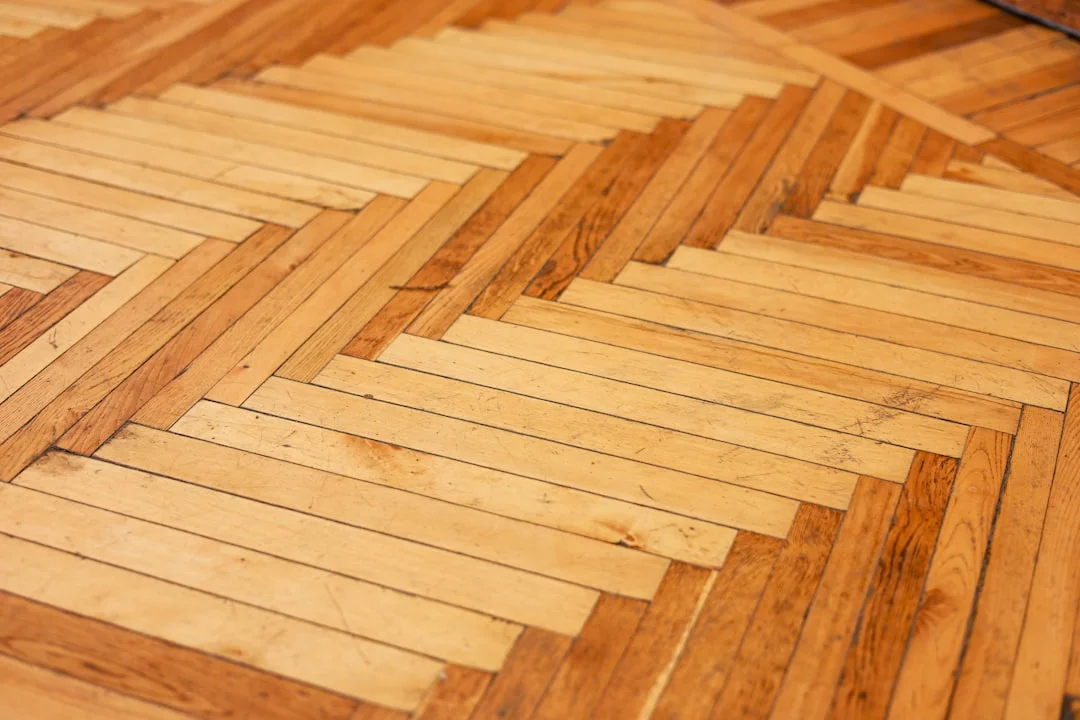
Cork flooring offers natural antimicrobial properties and excellent insulation characteristics. Harvested from the bark of cork oak trees without harming the tree itself, cork regenerates completely within nine years. Its soft surface reduces fatigue and provides natural sound dampening, making it ideal for bedrooms and living areas.
Recycled glass tiles and countertops transform waste glass into beautiful, durable surfaces. These materials often incorporate post-consumer glass from bottles and windows, creating unique colours and textures while diverting waste from landfills. The non-porous surface resists stains and bacteria, making it perfect for kitchens and bathrooms.
Natural linoleum, made from linseed oil, cork dust, wood flour, and natural pigments, provides a completely biodegradable flooring option. Unlike vinyl flooring, natural linoleum contains no harmful chemicals and actually improves with age, developing a protective patina that enhances its durability and appearance.
Recycled steel framing offers strength and durability while containing up to 90% recycled content. Steel framing doesn’t warp, shrink, or provide food for termites, making it an excellent long-term choice for structural renovations. The material’s strength allows for larger open spaces and more flexible floor plans.
Natural clay and lime plasters provide breathable wall finishes that regulate humidity and create healthy indoor environments. These materials have been used for thousands of years and offer excellent thermal mass properties. They can be applied over existing walls during renovation projects, providing both aesthetic appeal and improved indoor air quality.
Hempcrete, made from hemp fibres mixed with lime binder, creates lightweight, insulating wall systems with excellent thermal and acoustic properties. While still emerging in the New Zealand market, this material offers carbon-negative construction, actually absorbing more carbon dioxide than is produced during its manufacture.
While sustainable materials sometimes carry higher upfront costs, they often provide significant long-term savings through reduced energy bills, lower maintenance requirements, and improved durability. Many eco-friendly materials also qualify for various rebates and incentives, helping offset initial investment costs.
The durability of sustainable materials often exceeds that of conventional alternatives. Reclaimed timber, for instance, has already proven its longevity, while materials like cork and bamboo offer natural resistance to moisture, insects, and wear. This durability translates to reduced replacement costs and less disruption from future maintenance.
Indoor air quality improvements from using natural, non-toxic materials can lead to health benefits and reduced medical costs. Materials that don’t off-gas harmful chemicals create healthier living environments, particularly important for family members with allergies or respiratory sensitivities.
Choosing sustainable materials for your renovation project benefits both your family’s health and New Zealand’s environment. While the initial research and potentially higher costs require commitment, the long-term advantages of durability, energy efficiency, and reduced environmental impact make sustainable materials a wise investment for conscious homeowners looking to create beautiful, healthy, and environmentally responsible homes.

This article is brought to you by Mymansion.co.nz. We combine property expertise and market insights to deliver valuable, engaging content on New Zealand real estate. Hungry for more? Explore our latest posts and stay informed with the best in Property Investment, Home Improvement & Design, Property Technology, Finance & Wealth Building, Industry Perspectives, along with Trades & Services!


© 2020 MyMansion.co.nz - All right reserved.
Rebecca Taylor says:
The bit about healthier living spaces really lands for me. So many folks focus on the environmental side, which matters, but they miss that swapping out dodgy materials actually changes how you feel in your home. Better air quality, less off-gassing, that stuff compounds over time. You’re investing in your own wellbeing while doing right by the planet. Reckon more people would commit to this stuff if they clocked that
Aaron Smith says:
Nah reckon most eco stuff costs way more upfront but the insulation gains alone pay for themselves in like five years if you’re doing the renos anyway.